
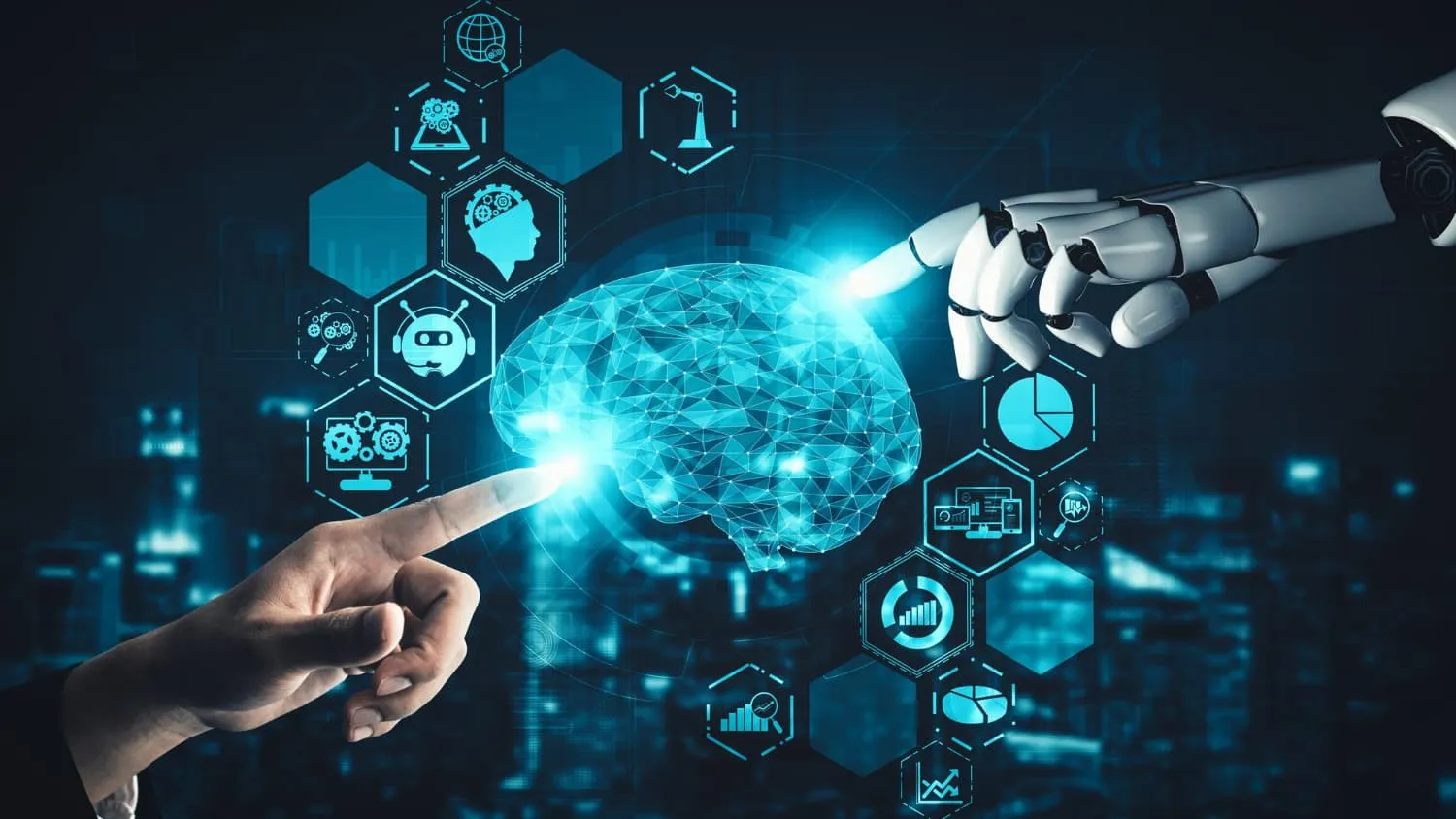
The journey from artificial intelligence (AI) to artificial general intelligence (AGI) is advancing rapidly. Since 2012, AI has seen exponential progress, with breakthroughs such as deep learning models outpacing human performance on benchmarks like MMLU and ARC. GPT-4 and other transformer models excel at tasks requiring complex reasoning, but they remain limited in generalizing across domains, a key benchmark of AGI.
AGI is an intelligence system that can learn, adapt, and apply know-how independently across any cognitive activity. A 2025 METR study reveals that current models can complete tasks requiring 60 minutes of expert human effort, a capability that has doubled approximately every 7 months since 2019. However, these models struggle with tasks over 4 hours in duration, with success rates falling below 20%—highlighting a gap in long-term reasoning and memory.
The shift toward AGI would make automation possible for scientific discoveries as well as creative problem solving and policy development. The development of AGI presents profound opportunities alongside alignment challenges, urging physicists, computer scientists, and ethicists to steer these powerful technologies toward human flourishing.